

A slow mobile website is one of the biggest silent revenue killers for businesses in Dubai.
You may be ranking well.
Maybe you’re running ads.
You may have traffic.
But if your mobile speed is poor, your customers are leaving before they even see your offer.
In today’s market, most users browse through mobile devices. If your website does not load fast and perform smoothly, you are losing trust, credibility, and sales.
This guide explains:
- Why mobile users leave slow websites
- How poor performance damages your brand
- The psychology behind mobile impatience
- Real business problems caused by mobile speed issues
- Proven solutions to fix performance
- How to turn mobile traffic into conversions
If you want better leads and more sales, especially in competitive markets like Dubai, this is critical.
Why Mobile Speed Matters More Than Ever
Mobile browsing has overtaken desktop globally. In cities like Dubai, smartphone usage is extremely high.
When someone searches for:
- A service
- A product
- A local business
- A quick solution
They expect immediate results.
A slow mobile website breaks that expectation.
Users think:
- “This site is broken.”
- “This company looks unprofessional.”
- “I’ll check another one.”
And they leave.
The 3-Second Rule: Why Users Don’t Wait
Studies consistently show that users abandon a website if it takes more than 3 seconds to load.
On mobile, that patience is even shorter.
Why?
Because mobile browsing happens:
- On the go
- During short breaks
- Between tasks
- While comparing competitors
If your page doesn’t load instantly, your competitor wins.
What Happens When Your Mobile Website Is Slow?
A slow mobile website causes:
1. High Bounce Rate
Users land.
They wait.
They leave.
Search engines detect this behavior. Your rankings drop over time.
2. Lower Trust
Speed equals professionalism.
- Poor maintenance
- Outdated systems
- Low reliability
Even if your service is excellent.
3. Lost Conversions
If the page is slow:
- Forms don’t load fast
- Buttons feel unresponsive
- Checkout becomes frustrating
People quit before taking action.
Common Reasons Mobile Websites Become Slow
Let’s break down real technical and UX issues.
1. Heavy Images
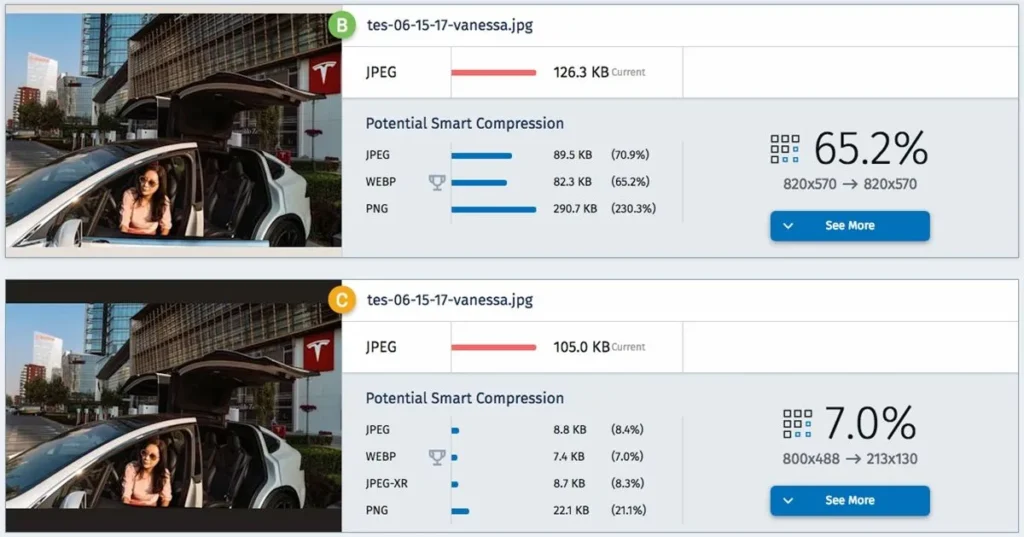
Large images are one of the biggest performance killers.
Problems:
- High-resolution images not compressed
- Wrong file formats
- No lazy loading
- Background images are too heavy
Solution:
- Compress images
- Use WebP format
- Enable lazy loading
- Resize images properly
2. Too Many Scripts
Every extra plugin adds weight.
Issues include:
- Excessive tracking scripts
- Multiple third-party integrations
- Heavy animations
- Auto-playing videos
Solution:
- Remove unnecessary plugins
- Minify CSS and JavaScript
- Use lightweight frameworks
- Defer non-critical scripts
3. Poor Hosting
Your Ecommerce Hosting performance server plays a huge role in performance.
Cheap hosting often means:
- Shared resources
- Slow response times
- Frequent downtime
Investing in quality hosting dramatically improves mobile speed.
4. No Mobile-First Design
A desktop-designed site forced into mobile format creates:
- Layout shifts
- Broken buttons
- Tiny fonts
- Misaligned elements
A mobile-first design approach prioritizes smartphone users from the beginning.
Mobile UX Problems That Drive Users Away
Speed alone isn’t everything.
Performance includes usability.
Small Buttons
Users cannot tap easily.
They get frustrated.
Hard-to-Read Text
If users must zoom in, they leave.
Cluttered Layout
Too many popups, banners, and sliders slow both speed and usability.
Poor CTA Placement
If your call-to-action appears too late or loads slowly, you lose conversions.
How Slow Mobile Speed Impacts SEO
Search engines use performance as a ranking factor.
Mobile performance affects:
- Core Web Vitals
- User engagement
- Dwell time
- Bounce rate
If your mobile experience is weak, your rankings suffer.
If you’re targeting competitive keywords in Dubai, this matters significantly.
Businesses investing in proper optimization — especially through services like professional Dubai SEO Services — see measurable growth in traffic and conversions.
The Psychology Behind Mobile Impatience
Mobile users behave differently from desktop users.
They expect:
- Instant results
- Smooth scrolling
- Fast response
- Clear navigation
A slow mobile website creates anxiety.
That anxiety leads to:
- Distrust
- Negative brand perception
- Immediate exit
Speed creates confidence.
Confidence creates conversions.
Real Business Impact in the Dubai Market
Dubai is highly competitive.
Whether you’re:
- A real estate agency
- A clinic
- An eCommerce store
- A corporate service provider
Your competitors are one tap away.
A slow mobile website gives your customers.
How to Fix a Slow Mobile Website
Now let’s move to solutions.
1. Optimize Images
- Compress all images
- Use next-gen formats
- Implement lazy loading
2. Improve Server Response Time
- Upgrade hosting
- Use CDN
- Enable caching
3. Minify Code
- Remove unnecessary scripts
- Combine CSS files
- Reduce JavaScript execution time
4. Enable Caching
Caching reduces load time for returning visitors.
5. Use Mobile-First Design
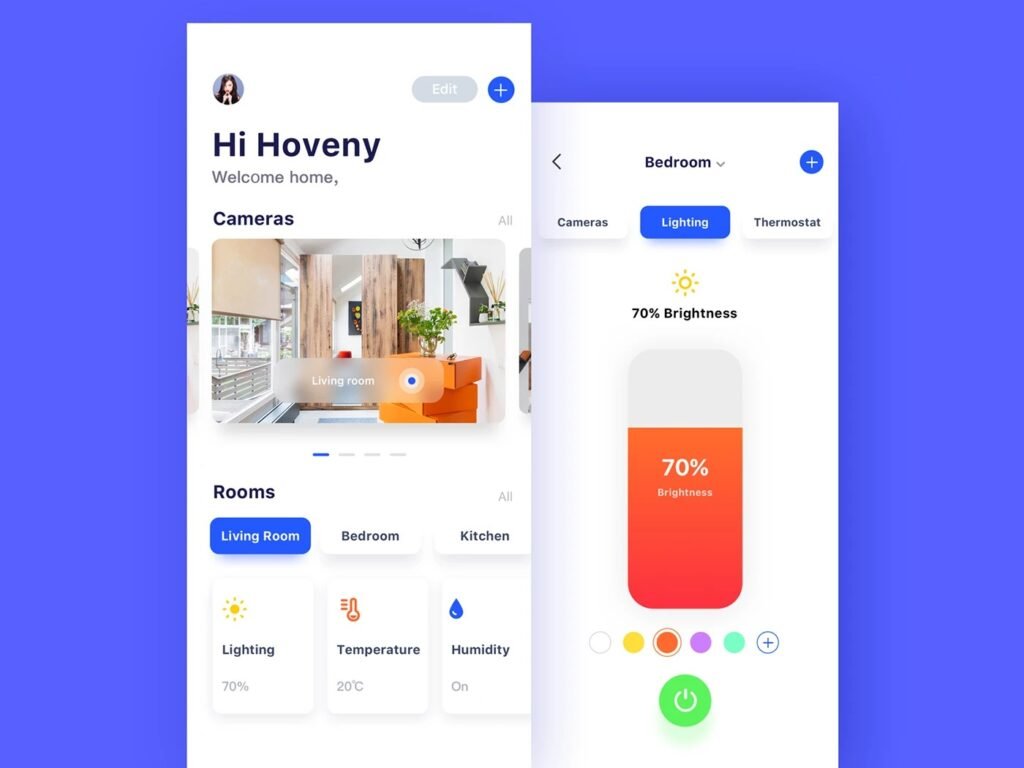
Design for mobile first.
Not desktop first.
Ensure:
- Clear CTAs
- Thumb-friendly buttons
- Fast transitions
- Simple navigation
6. Reduce Redirects
Too many redirects significantly slow mobile performance.
7. Test Regularly
Use performance tools to check:
- Load time
- Speed index
- Core Web Vitals
Optimization is ongoing, not one-time.
Download the Slow mobile website checklist
Mobile Speed + Conversion Optimization
Improving mobile speed alone is not enough.
You must combine:
- Speed
- Clear messaging
- Strong CTA
- Trust signals
- Clean design
For example:
- Display reviews
- Show certifications
- Add visible contact options
- Use short forms
When performance meets clarity, conversions increase.
Signs Your Website Has Mobile Performance Issues
Ask yourself:
- Does your homepage load instantly?
- Do images appear progressively?
- Are forms fast and responsive?
- Do users stay longer than 10 seconds?
If not, you have a mobile problem.
Case Pattern (Common Scenario)
Many businesses say:
“We get traffic but no inquiries.”
When analyzed:
- Website loads in 5–8 seconds
- Hero image is 3MB
- No caching enabled
- Heavy animations
- Unoptimized scripts
After fixing performance:
- Load time drops to under 2 seconds
- Bounce rate decreases
- Conversions improve
Speed directly impacts revenue.
Why Mobile-First Strategy Wins in Dubai

Dubai users are:
- Fast decision-makers
- Highly competitive buyers
- Price comparers
- Experience-focused
If your mobile experience is smooth, you gain trust instantly.
If it’s slow, you disappear.
Final Thoughts
A slow mobile website is not just a technical issue.
It is a business problem.
It affects:
- SEO
- Trust
- No Leads
- Revenue
- Brand perception
In competitive markets like Dubai, speed is not optional.
It is survival.
If your mobile speed is poor, fix it now before more customers leave.
Faqas
Ideally under 3 seconds. Faster websites have lower bounce rates and higher conversions.
Yes. Search engines consider performance and user experience as ranking factors.
Large, unoptimized images and excessive scripts are the most common issues.
Absolutely. Even a one-second delay can significantly decrease conversion rates.
Yes. Server response time directly impacts load performance.
It is a design approach that prioritizes the smartphone experience before the desktop.
At least once a month, especially after updates or adding new features.