
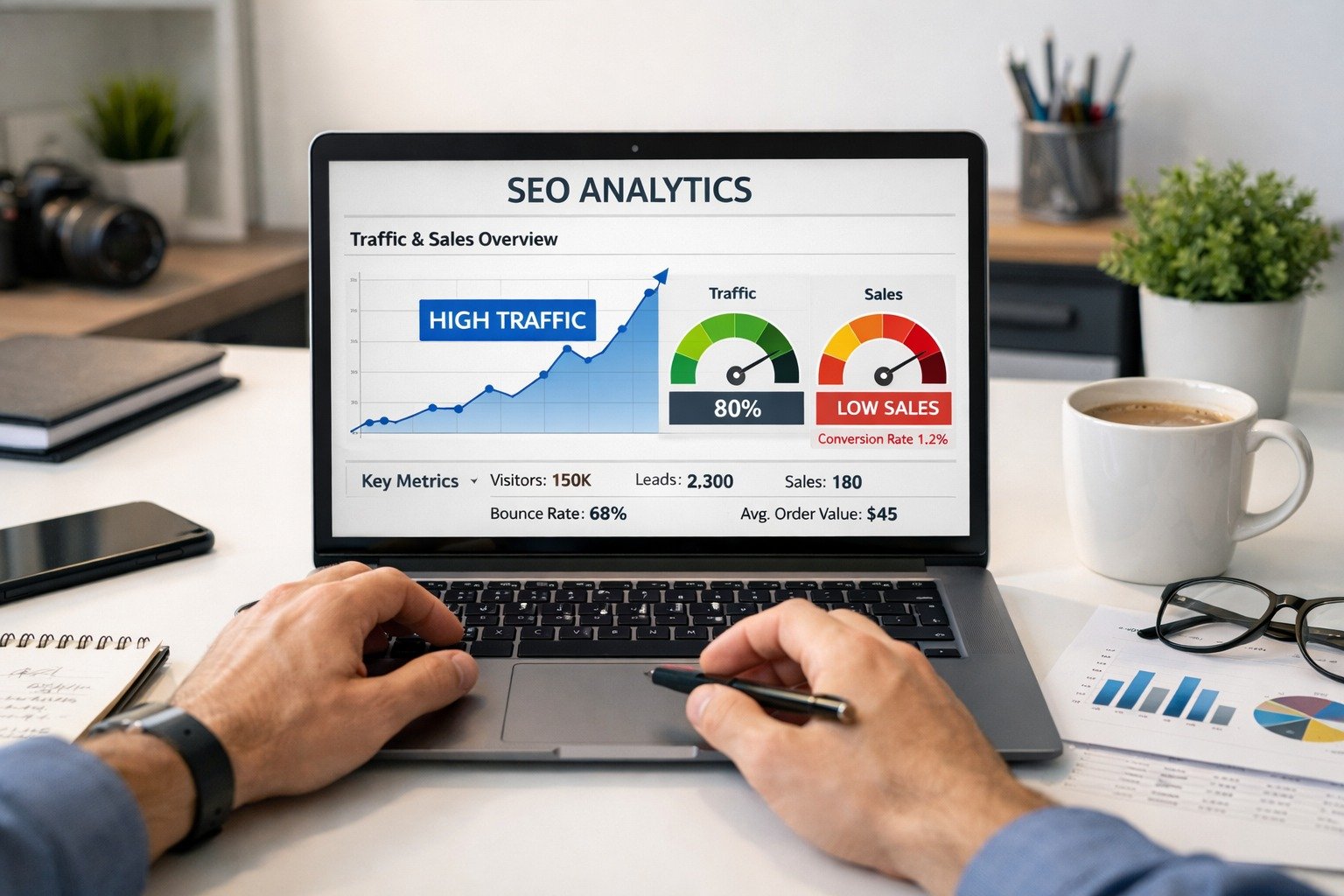
Many businesses invest time and money into SEO. They publish blog posts, optimize keywords, and work hard to improve rankings on Google. After a few months, traffic starts increasing. Visitors arrive on the website every day.
But there is one major problem.
Sales do not increase.
This situation is very common in digital marketing and is often described as SEO traffic but no sales. Many companies believe that once traffic increases, customers will automatically start buying. Unfortunately, that is not how online behavior works.
Traffic alone does not create revenue. What truly matters is the type of traffic and how your website converts that traffic.
If visitors come to your website only to read information, they may leave without buying anything. If your website is slow, confusing, or lacks trust signals, potential customers may leave before taking action.
Understanding why this problem happens is the first step toward fixing it.
Understanding the Real Reason Behind SEO Traffic But No Sales
The biggest reason behind SEO traffic but no sales is intent mismatch. Many websites attract visitors who are not ready to buy yet.
People search online for many reasons. Sometimes they want information. Sometimes they want to compare options. And sometimes they are ready to purchase.
If your website mainly targets users who are searching for information, it may attract large amounts of traffic but generate very few customers.
For example, a person searching “what is SEO” wants to learn about search engine optimization. That person is probably not looking to hire an SEO agency immediately.
On the other hand, someone searching “SEO services for small businesses” is much closer to making a purchase decision.
When websites focus only on informational keywords, they often experience the problem of high traffic with low conversions.
Informational Traffic vs Buyer Intent Traffic
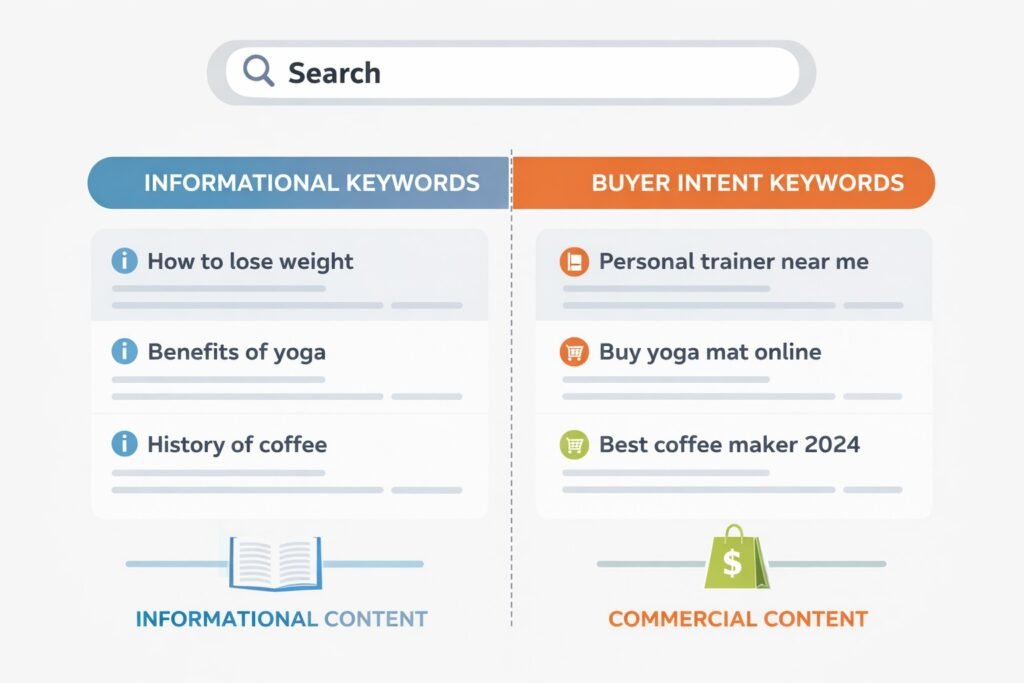
Informational traffic is useful for building authority and increasing brand visibility. Blog posts, guides, and educational content attract readers who want to learn.
This type of traffic can help establish credibility in your industry and improve long-term SEO performance.
However, informational traffic usually converts slowly. Visitors may read the content, leave the website, and come back later when they are ready to buy.
Buyer intent traffic works differently. These visitors are actively searching for solutions or services. They are comparing providers and looking for someone to solve their problem.
Websites that target buyer-intent keywords typically generate more leads and sales because the audience is already interested in purchasing.
This difference between informational traffic and buyer intent traffic is one of the most important factors in solving the SEO traffic but no sales issue.
Weak Call-to-Action Can Stop Conversions
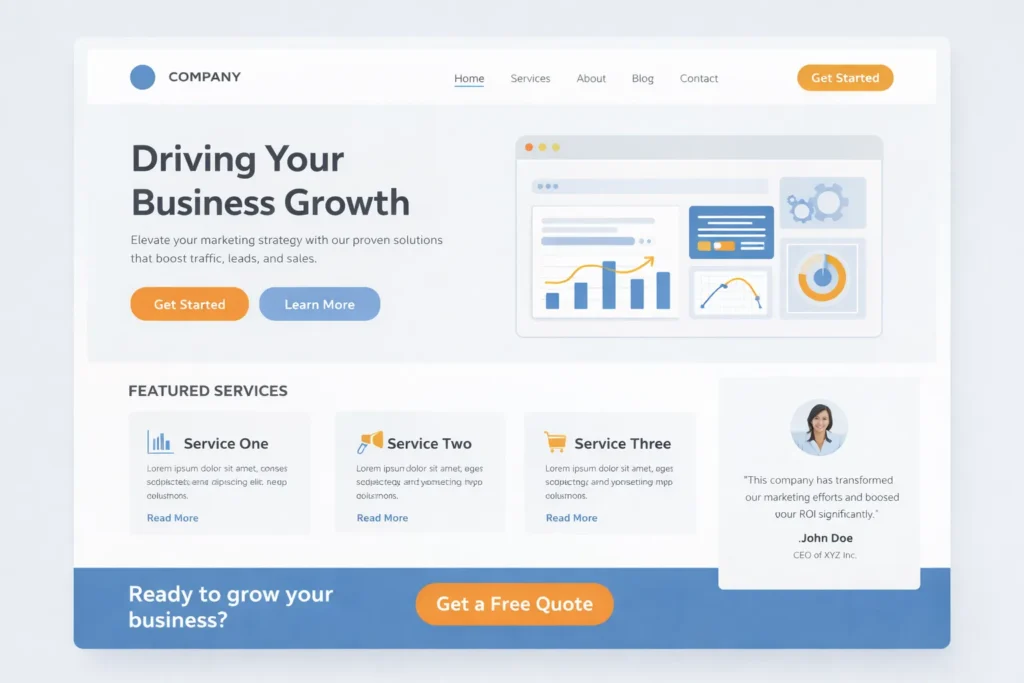
Even if your website attracts the right audience, visitors may still leave without converting if your call-to-action is weak.
Many websites use vague buttons such as “Learn More” or “Explore.” These phrases do not clearly guide users toward the next step.
A strong call-to-action tells visitors exactly what they should do. When someone lands on your page, they should immediately understand how to contact you, request a service, or start a purchase.
Clear CTAs like “Get a Free SEO Audit,” “Start Your Campaign,” or “Book a Consultation” encourage users to take action.
Placing these CTAs strategically throughout the page improves conversion opportunities and reduces the chance that visitors will leave without interacting with your business.
Poor Website UX Reduces Sales
User experience plays a major role in converting visitors into customers. If a website is difficult to navigate, users quickly lose interest.
Many websites suffer from design problems such as cluttered layouts, confusing navigation, or unclear service pages. Visitors may struggle to find the information they need.
When this happens, they often return to search results and choose a competitor.
A well-structured website makes it easy for users to understand what the company offers. Service pages should clearly explain the benefits, process, and results.
When visitors can quickly understand the value of your service, they are more likely to contact you.
Website Speed Also Affects Conversions
Speed is another critical factor that impacts both SEO performance and user behavior.
Modern internet users expect websites to load quickly. If a page takes too long to appear, visitors become frustrated and leave.
Search engines also prioritize fast websites because they provide a better user experience.
Slow loading times often result in higher bounce rates. This means users leave the website before exploring the content.
By improving website speed through image optimization, caching, and better hosting, businesses can keep visitors engaged and increase the chances of conversion.
Lack of Trust Signals Creates Doubt
Online buyers are cautious. Before making a purchase or contacting a company, they want reassurance that the business is reliable.
If a website lacks trust signals, visitors may hesitate to take action.
Trust signals include elements such as customer testimonials, reviews, case studies, certifications, and client logos. These elements show that other customers have successfully used the service.
Displaying real results and positive feedback builds credibility and reduces the risk that visitors perceive when considering your services.
When trust increases, conversions usually improve as well.
Content Must Guide Visitors Toward Solutions
Content Digital marketing should not focus only on attracting traffic. It should also guide visitors toward the next step in the customer journey.
Every blog post should naturally connect readers to a solution. If a visitor reads about an SEO problem, the article should introduce a service that solves that problem.
This approach transforms informational traffic into potential leads.
Internal linking plays an important role in this process. Linking blog content to relevant service pages allows readers to explore solutions without leaving the website.
Over time, this strategy improves engagement and increases the chances of turning readers into customers.
How to Turn SEO Traffic into Sales
Solving the SEO traffic but no sales problem requires combining multiple improvements.
First, businesses must adjust their keyword strategy to include more buyer intent searches. This attracts visitors who are already interested in purchasing services.
Second, the website should be optimized for conversions. Clear CTAs, simple navigation, and persuasive content help guide users toward action.
Third, trust signals and real customer results should be displayed to build confidence.
Finally, technical performance, such as page speed and mobile optimization, must be improved to ensure a smooth user experience.
When these factors work together, traffic becomes much more valuable because visitors are more likely to convert into leads and customers.
Conclusion
Experiencing SEO traffic but no sales can feel frustrating, but the problem is usually not SEO itself. The real issue often lies in search intent and conversion strategy.
Many websites attract large numbers of informational visitors who are not ready to buy. Others lose potential customers due to poor UX, weak CTAs, slow performance, or lack of trust.
By focusing on buyer intent keywords, improving website experience, and guiding visitors toward clear actions, businesses can transform traffic into real revenue.
SEO should not only bring visitors to your website. It should also help convert those visitors into customers.
When the right strategy is applied, traffic and sales start growing together.
Faqs
This usually happens when a website attracts informational visitors rather than people with buying intent, or when the website fails to convert visitors effectively.
Buyer intent keywords are search terms used by people who are ready to purchase a product or service, such as “hire SEO agency” or “SEO services near me.”
Yes, but it often converts later in the buying journey. Informational content builds trust and awareness before customers decide to purchase.
Poor user experience makes navigation confusing and discourages users from exploring services, which reduces the chances of converting visitors into customers.
Yes. Slow websites increase bounce rates and frustrate users, leading to fewer conversions and lost opportunities.
Clear and action-oriented CTAs guide visitors toward contacting the business, requesting a service, or completing a purchase.
After improving keyword intent, UX, and CTAs, many websites begin seeing conversion improvements within a few weeks.